
Wheat Straw vs Bamboo Plate: The Eco-Friendly Choice
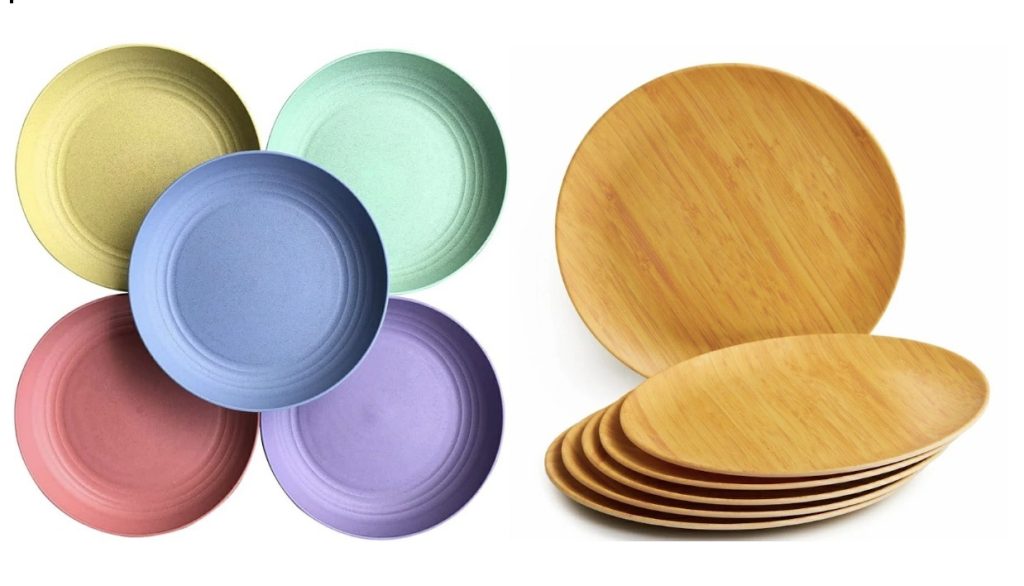
In recent years, eco-friendly alternatives have taken center stage in the world of disposable tableware. Consumers are now more aware of the environmental impact of single-use plastic products and are turning to more sustainable options. Among the most popular eco-friendly materials for tableware are wheat straw and bamboo. Both materials offer environmentally friendly alternatives to traditional plastic, but which one is better? In this article, we will explore the pros and cons of Wheat straw vs bamboo Plate, and help you decide which is the best fit for your needs.
What is Bamboo Tableware?
Anzhucraft.com is a Chinese website specializing in eco-friendly disposable tableware made from bamboo, wood, and paper. Bamboo is a versatile and sustainable material, which has become increasingly popular in the production of tableware. It is naturally strong, lightweight, and biodegradable, making it an ideal choice for disposable plates, bowls, and cutlery. Bamboo tableware is made from bamboo stalks that are processed and shaped into plates, cups, and other dining accessories. Bamboo is known for its rapid growth and minimal water requirements, making it a very sustainable material.
What is Wheat Straw Tableware?
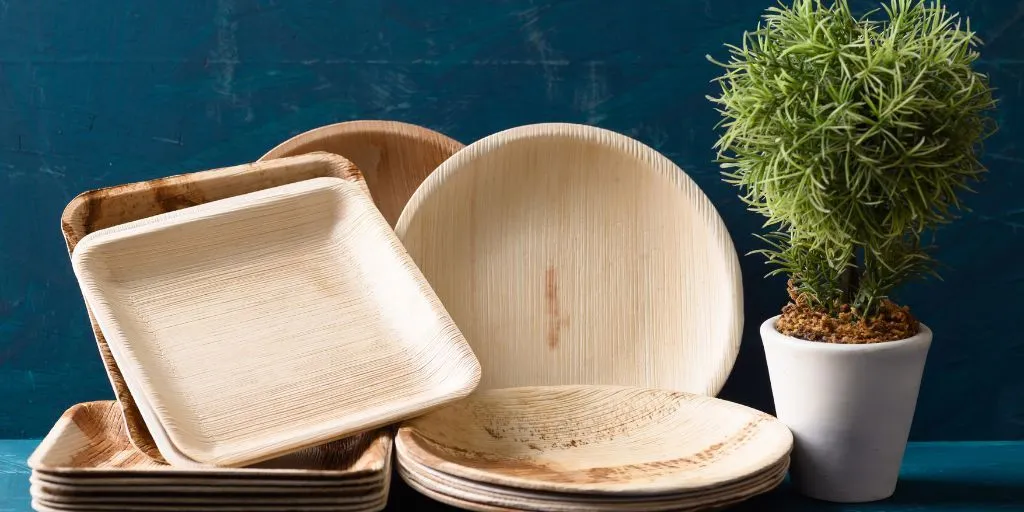
Wheat straw is another eco-friendly alternative to plastic. It is made from the leftover stalks of wheat plants, which are usually discarded after harvesting. These stalks are processed, dried, and then formed into various products, including disposable tableware. Wheat straw tableware is lightweight, durable, and biodegradable, just like bamboo. It also offers an excellent alternative to plastic and Styrofoam products that contribute significantly to landfill waste.
Wheat Straw vs Bamboo Plate: Key Differences
1. Environmental Impact
Both bamboo and wheat straw are sustainable materials, but their environmental impact differs in several ways. Bamboo is fast-growing and requires little water to thrive, making it an environmentally friendly option. Additionally, bamboo does not require pesticides or fertilizers, making it a great choice for eco-conscious consumers. On the other hand, wheat straw is a byproduct of wheat farming, which would otherwise go to waste. Utilizing wheat straw for tableware helps reduce waste from agricultural production and supports sustainable farming practices.
2. Durability
When it comes to durability, bamboo generally outperforms wheat straw. Bamboo tableware is stronger and more resistant to breaking or cracking compared to wheat straw. This makes bamboo a great option for reusable tableware, as it can last for multiple uses without getting damaged. Wheat straw, while durable, is slightly more fragile than bamboo and may not hold up as well under heavy use. However, it is still strong enough for disposable products and is an excellent option for light, single-use tableware.
3. Appearance and Aesthetic
Aesthetics play a significant role in choosing tableware, especially for events or dining experiences. Bamboo tableware tends to have a more natural and sophisticated look, with a light, smooth finish. It often comes in a variety of designs, including elegant plates and stylish bowls, making it suitable for formal and informal occasions alike. Wheat straw tableware, on the other hand, has a more rustic appearance with a slightly rougher texture. While still appealing, it lacks the sleekness of bamboo but offers a unique charm with its earthy tones.
4. Price
In terms of pricing, wheat straw tableware tends to be more affordable than bamboo. This is due to the lower production cost of wheat straw and the fact that it is a byproduct of wheat farming. Bamboo tableware, while still reasonably priced, can be more expensive due to the extra processing required to convert the bamboo stalks into usable products. For those on a budget, wheat straw is an economical choice, especially for disposable tableware needs.
5. Biodegradability
Both bamboo and wheat straw are biodegradable, making them ideal alternatives to plastic. However, bamboo tends to break down faster in the environment compared to wheat straw, which can take a bit longer to decompose. This makes bamboo tableware an excellent choice for those seeking the most environmentally friendly option. However, both materials are far better than plastic, which can take centuries to break down and poses significant environmental risks.
Advantages of Bamboo Tableware
- Durable and Long-lasting: Bamboo is highly durable, making it perfect for both disposable and reusable tableware.
- Sleek and Stylish: Bamboo offers a more refined look, making it suitable for elegant dining settings.
- Fast-Growing: Bamboo’s rapid growth ensures a sustainable source for tableware production without contributing to deforestation.
Advantages of Wheat Straw Tableware
- Cost-Effective: Wheat straw is generally more affordable, making it a popular choice for mass consumption and large-scale events.
- Eco-Friendly: Wheat straw is made from agricultural waste, reducing the need for additional resources.
- Lightweight: Wheat straw products are easy to handle and dispose of, making them ideal for picnics and casual dining settings.
Which is Better: Bamboo or Wheat Straw Tableware?
The answer depends on your specific needs and preferences. If you are looking for a durable and aesthetically appealing option, bamboo tableware is the better choice. It is perfect for both disposable and reusable tableware and offers a sleek, elegant look for any event.
On the other hand, if you are looking for an affordable and environmentally friendly option for casual events, picnics, or large-scale gatherings, wheat straw tableware is a great choice. It is cost-effective, lightweight, and still offers a sustainable alternative to plastic.
Conclusion
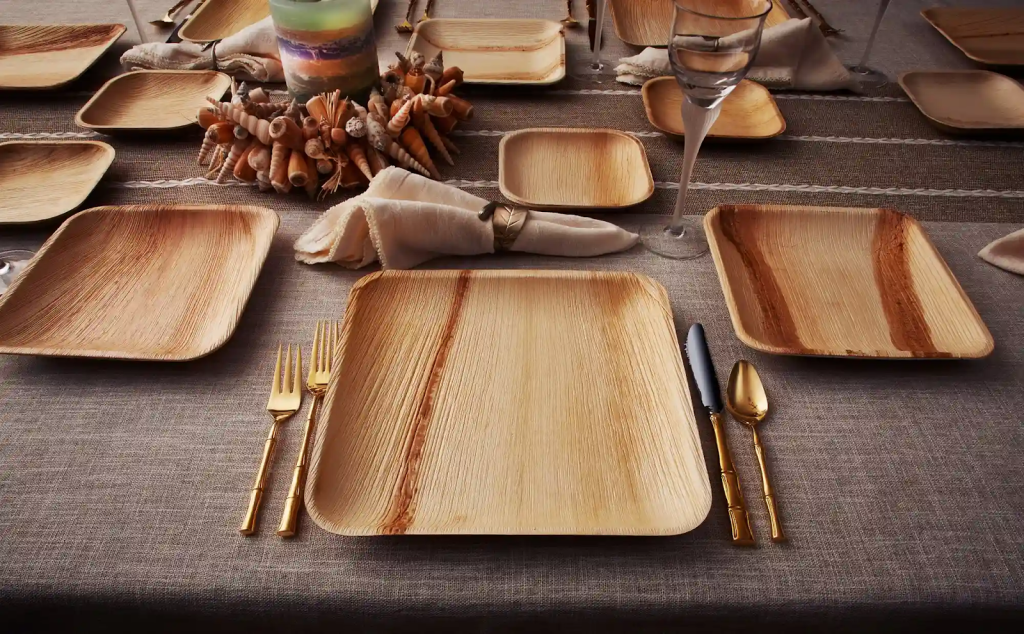
In the battle between wheat straw vs bamboo plate, both materials offer fantastic eco-friendly alternatives to plastic. Bamboo is more durable, stylish, and faster-growing, while wheat straw is a more affordable and lightweight option. Both materials are biodegradable, helping reduce environmental waste. The right choice depends on your budget, aesthetic preferences, and durability requirements.
For those looking for a balance of sustainability, appearance, and strength, bamboo is the superior choice. However, if you’re on a budget or need disposable tableware for casual settings, wheat straw offers an equally effective eco-friendly solution.