
Disposable Supplies and Restaurant Supplies for Every Food Business
Understanding Disposable Supplies and Restaurant Supplies
Operating a food business successfully requires speed, hygiene, and convenience. This is where disposable supplies and restaurant supplies become vital. From paper cups and takeout boxes to durable cookware and essential kitchen tools, these products streamline daily operations while upholding service quality. Choosing the right combination of disposable supplies and restaurant supplies helps save time, improve food presentation, and boost customer satisfaction.
Why Disposable Supplies Are Essential in Food Service
Disposable products are an indispensable part of today’s food industry. They cut down on cleaning tasks while ensuring customer safety and ease of use. Cafés, bakeries, catering companies, and restaurants rely heavily on these items to manage busy service hours.
read more : Does the Timing of Taking Shilajit Affect Its Benefits?
Hygiene and Safety
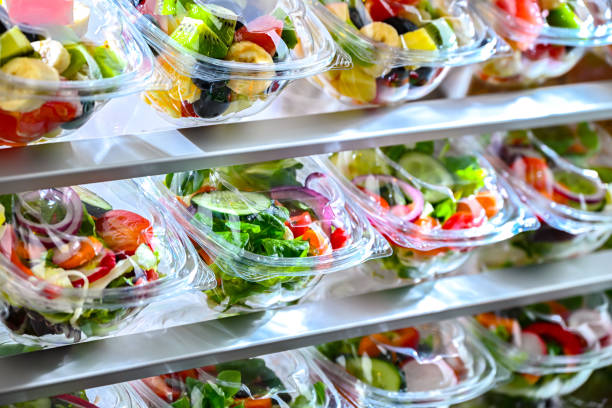
Single-use items significantly reduce the risk of cross-contamination, which is crucial in commercial kitchens. Disposable cups, napkins, cutlery, and plates allow staff to focus more on customer service rather than dishwashing. This results in faster table turnover and smoother service. As takeout and delivery continue to grow, disposable supplies such as pizza boxes, clamshell containers, and hot beverage cups keep meals fresh and intact during transport.
The Importance of Restaurant Supplies in Daily Operations
While disposable products add convenience, permanent restaurant supplies like cookware, glassware, cutlery, and heavy-duty kitchen machines are equally crucial. These ensure long-term performance and consistent quality. Professional-grade knives, mixers, and pans are designed for continuous use, making them cost-efficient investments.
Additionally, tableware, glassware, and flatware enhance the dining atmosphere. A restaurant’s selection of supplies reflects its theme and quality standards, leaving a lasting impression on customers. Many food businesses now pair traditional supplies with eco-conscious disposable options, balancing functionality with sustainability.
Choosing the Right Disposable Supplies and Restaurant Supplies
The right choice of supplies depends largely on your business type, menu style, and customer preferences.
For Fast Food and Takeout
Fast-paced food services require items like burger wraps, pizza boxes, and disposable cups. These are budget-friendly, light, and easy to store. Accessories such as paper straws, stirrers, coffee lids, and bakery boxes also fall under essential disposable supplies. On the restaurant supply side, equipment like espresso machines and blenders are indispensable.
Caterers often rely on disposable trays, serving utensils, and chafing dishes for large gatherings, while also using durable platters and glassware for premium services. With sustainability becoming a priority, compostable packaging, biodegradable cutlery, and recycled paper bags are becoming industry favorites. These eco-friendly supplies reduce waste and match customer expectations for greener dining solutions.
Custom Branding
Personalized packaging, from custom-printed cups to branded napkins, strengthens business identity. Both disposable and reusable restaurant supplies can be customized to enhance brand visibility. Many restaurants also integrate smart supplies like portion-control dispensers to minimize waste and increase efficiency.
Balancing price and quality is essential when sourcing disposable supplies and restaurant supplies. Buying wholesale lowers costs while guaranteeing stock availability. Partnering with reliable vendors ensures consistent standards and timely deliveries. Today, many suppliers provide eco-conscious and customizable disposable products alongside traditional restaurant essentials.
Conclusion
For smooth operations, every food business requires the right mix of disposable supplies and restaurant supplies. Disposables provide speed, hygiene, and convenience, while durable supplies ensure long-lasting performance and enhance customer experience. By making smart, affordable, and sustainable choices, restaurants can optimize service, reinforce their brand, and meet customer expectations in a competitive industry.