
Why Google’s 2025 Algorithm Changes Are Killing Small Business Websites
Google’s March 2025 update created chaos we haven’t seen in a long time. Your website traffic vanished overnight, and your ranking disappeared. Specifically, small business owners who relied on steady website traffic saw their hard work fall apart. They had no idea what hit them.
It wasn’t bad luck, though. Everything happened because Google’s algorithm change rewrote the rules of search.
At Matter Solutions, we’ve helped many small businesses bounce back from Google disasters using effective strategies.
In this article, we’ll show you what Google changed and why your site got hurt. You’ll also learn how Google now judges websites much more harshly than before. Plus, we’ll give you a plan to fix the damage.
Ready to find out what happened to your website? Let’s get started.
How Google’s Search Algorithm Changed in 2025
The search giant Google made its biggest change this year since its Penguin core update in 2012. The latest updates impacted small businesses hard. What happened is that Google completely reworked the way it evaluates which websites deserve top spots.

In reality, it all started in another March… a year back in 2024, but we’ll get to that soon.
We’ll now explain the core update changes that altered the entire world of search engine optimization.
Understanding The March Core Update Merger
Google’s March 2025 update caused plenty of ranking troubles, sure. But as we mentioned earlier, the real damage started in March 2024. That’s when Google took its separate Helpful Content checker and merged it directly into core rankings.
Before the March update, Google would rank your page first, then apply a helpful content filter. Now it checks everything at once. And sadly, there’s no going back. Google also built the system permanently, so it no longer announces separate updates.
The Site-Wide Impact of Helpful Content Update
Google now applies “site-wide signals” to judge your entire domain at once. For this reason, if you have too much weak content anywhere on your site, it’ll kill rankings across your whole domain (one bad apple and Google tosses the full basket).
The math is simple and painful. If Google decides 30% of your site has unhelpful content, it can suppress the other 70% that actually helps customers. For example, we’ve witnessed great service content lose rankings because of dozens of weak city-targeting blog posts.
As you can see, even your best pages can’t hide from Google’s prying eyes anymore. Every page on your site now affects your entire website’s quality.
Pro-Tip: Track pages with zero clicks in Google Search Console (GSC). They’re often silent ranking killers.
Specific SEO Updates Affecting Your Website
Google’s 2025 algorithm update addressed four specific problem areas that are now death traps for small businesses. These problems are content quality, user experience penalties, link spam detection, and trust signals.
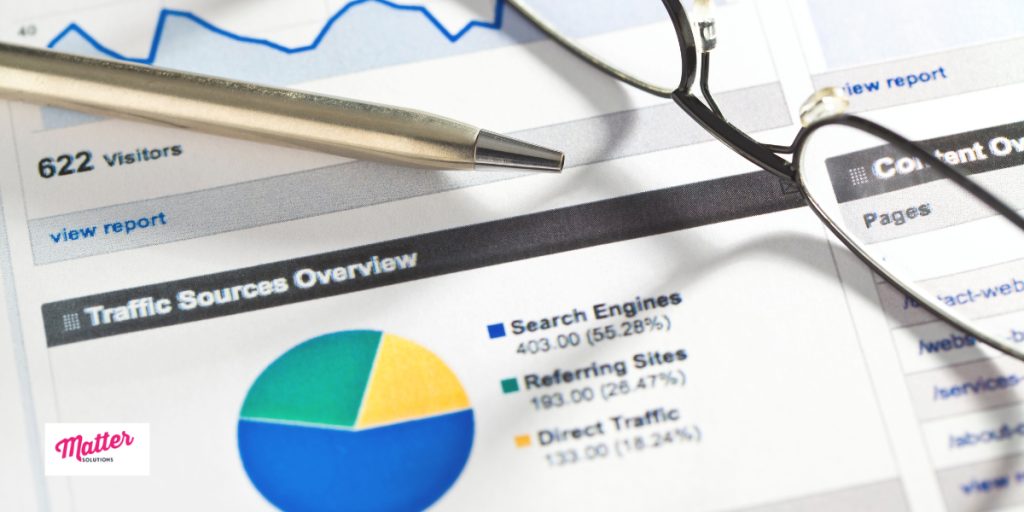
Let’s get into more details about the things that are killing your site’s ranking.
How The Algorithm Update Targets Content
Google now demands content that proves you genuinely know what you’re talking about. The algorithm specifically looks for “first-hand expertise” and real experience instead of recycled information (the “Don’t tell me, show me” approach).
Guess what happens when content fails this expertise test? Google buries those articles in the same graveyard as the infamous Penguin 2012 victims. Not a pleasant thought now, is it?
Here’s what Google considers unhelpful content and punishes:
- Thin Pages: When pages provide little to no valuable, original, or useful content for users, we call them thin pages. A plumber’s page only saying “we fix pipes” is a good example here. Compare that with another plumber’s service page containing before/after photos and explanations of their 24-hour emergency process. The latter is not so thin.
- Unoriginal Posts: They refer to blog articles that just rephrase information everyone else has already covered. Google’s AI spots these rehashed articles and punishes them, while original insights from your actual projects rank higher than generic advice.
- Lack of Proof: Some businesses brag, “We’re the best!” but give no proof, no reviews, no photos, and show no results. Google catches them fast, and soon those sites land on its blacklist before they know it.
Time and again, we’ve watched contractors with solid reputations lose rankings because their website content looked like generic template copy. If only they showed their actual expertise!
Penalties From The Experience Update
User experience problems aren’t limited to annoying your visitors anymore. Rather, they now directly hurt your rankings. These penalties hit small business websites hard… especially older sites with outdated designs.
The user experience problems that crush rankings today include:
- Mobile Usability: If your web pages are difficult to browse on smartphones, you have mobile usability issues. For instance, when users can’t easily tap buttons or read text, Google notices it and lowers your rankings.
- Intrusive Elements: Pop-ups and ads that block your content make Google angry. Even small newsletter sign-ups hurt rankings if they cover your screen space. However, subtle banner notifications that don’t interrupt reading are okay.
- Page Layout: Sites with messy menus or clunky designs drop fast because Google sees when people bounce back. And if your text is hard to read, the problem gets worse. That’s why clean, simple layouts win and achieve higher ranks in search results.
Heightened Scrutiny on Link Spam
Google’s link spam detection became much better in 2024 and 2025. Their SpamBrain system now identifies and ignores low-quality backlinks in real time instead of waiting for manual reviews. This improved detection means bad link building can kill your rankings faster than ever before.
Frankly, the risk of manipulative link building far outweighs any short-term benefits. Google not only penalizes these spammy links but also ignores bad links completely. It means you waste your money and effort if you go down this path.
New Website Ranking Factors in Action
Since the latest updates, Google looks for proof that your business is real and that people trust you outside of your own site. As a part of the process, it checks matching business info and real reviews. That’s why if you have a weak online presence, it could be bad news for your business.
These are the trust signals Google requires now as proof of authenticity:
- Author Proof: Anonymous content from unknown writers gets less trust than articles with author bios, credentials, and photos of real team members. So, your content must show who writes it and their actual qualifications.
- Business Consistency: Your business name, address, and phone number must match exactly across Google, Yelp, your website, and everywhere online. Mismatched information confuses Google and hurts your local search rankings significantly.
- Genuine Reviews: Real customer feedback is important because Google rewards consistent patterns of authentic experiences. It detects fake reviews and review farms more accurately. Meanwhile, businesses with consistent, authentic feedback gain ranking advantages.
A Practical Plan for Small Business SEO
Now you know how Google’s 2025 algorithm changes have been making sites lose ranks. But how do you fix this problem? In this section, we’ll share a recovery plan with you. We’ve used this exact method with dozens of businesses that lost rankings after Google’s updates.
Most importantly, this approach is so effective because you tackle problems in order of impact instead of trying to fix everything at once. Keep reading to learn more.
Your 2025 Game Plan for Google Updates
We mentioned earlier that Google’s algorithm changes hit four specific areas: content quality, user experience, link spam, and trust signals. You need to check all of them for your website.
First, you must use Google Search Console to find which pages lost the most traffic during the March 2025 timeframe. Look for patterns. Did your service pages drop? Blog posts? Specific keywords?
The data will indicate whether your content was the cause of the problem or if it was due to user experience issues, link spam, or missing business validation signals.
Next up, check your backlinks for spam, review thin content pages, and test how your site works on mobile. Also, make sure your business info matches everywhere it appears online.
Pro-Tip: Keep notes on every change you make after an update. It’ll help you track what worked, what didn’t, and give you a reference for the next update.
Future-Proofing For Google Algorithm Updates: A To-Do List
Recovery is only the first step. The real job involves building a system that can handle the next Google update and the ones after that. Since algorithm updates will keep rolling out through 2025 and beyond, you should focus on long-term SEO (we always feel like the next update is hiding under the bed).
Here are things you need to work on to keep your sites safe in the future. We’ve grouped this to-do list according to content, technical fixes, backlinks, and trust signals so you know where to focus.
Content and Expertise
- Center your content on real expertise from actual projects
- Write about specific problems you’ve solved
- Share before/after photos
- Highlight customer results
Website and Technical Foundation
- Improve mobile navigation
- Remove annoying pop-ups
- Speed up page load times
Backlinks and Authority
- Earn links from local business groups
- Get featured in industry publications
- Encourage happy customers to link back
- Avoid buying cheap directory links
Business Trust Signals
- Keep business information consistent everywhere online
- Actively collect real customer reviews
Recovery Is Possible With The Right Method
Google’s updated 2025 algorithm now assesses your entire website as a single unit rather than individual pages. So, your website needs to be on point if you want to avoid penalties from Google.
In this article, we’ve explained how Google merged Helpful Content into core rankings. We also covered four problem areas: content, user experience, spammy links, and trust signals. Finally, we shared a recovery plan and tasks to future-proof your site.
If you’re ready to fix your broken site, contact Matter Solutions today for a complete SEO diagnostic. We’ll identify what’s hurting your rankings and give you a step-by-step recovery plan.